YUKIGUNI
Lives shaped by snow
A way of life with snow at its heart.
Close to Tokyo by train, yet far removed by lifestyle.
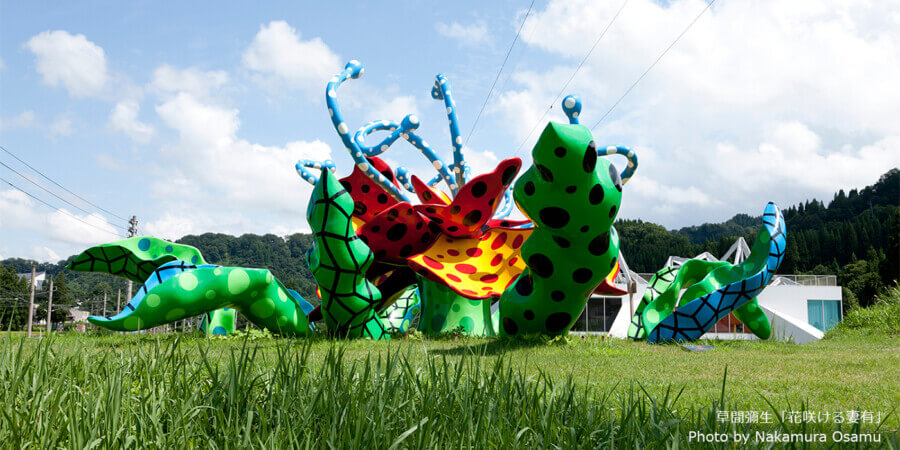
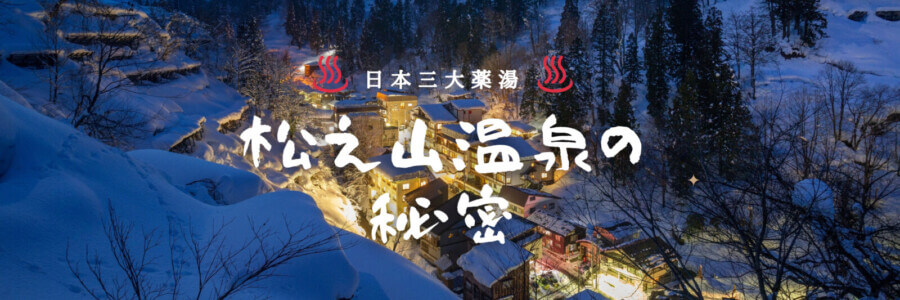
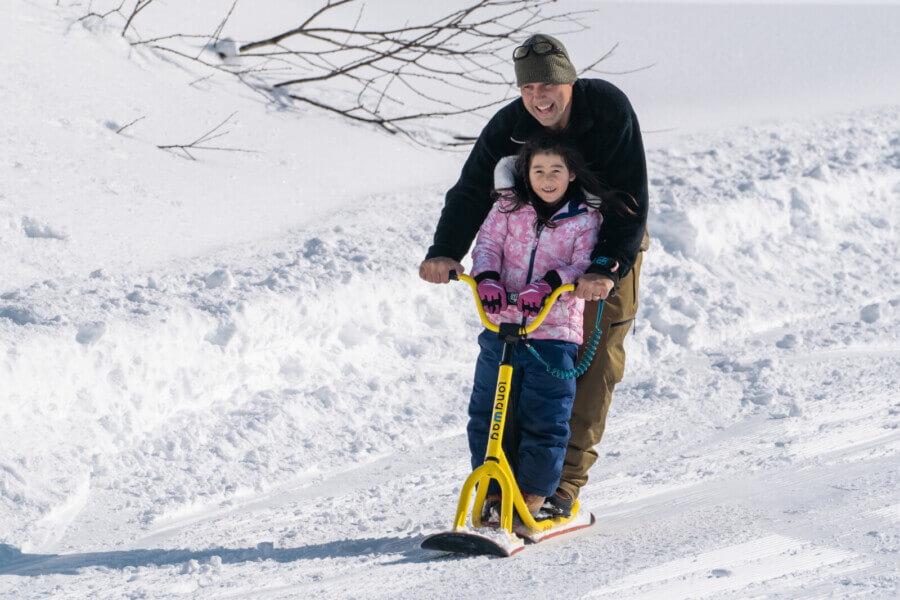
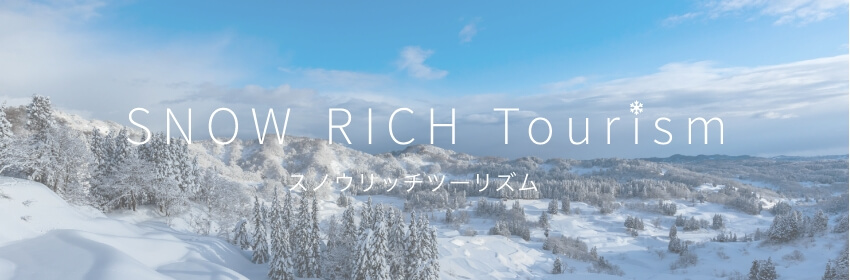
Tokamachi may be surrounded by cold snow for 4 months out of the year, but it is full of warmth from the kindness of residents, relaxing hot springs, delicious food, and beautiful scenery. This countryside city is host to hundreds of modern artworks which are dotted around the area. During winter the activities are just as endless as the snow. And in spring, the area transforms into a gorgeous destination of lush greenery, mountains, wildlife, and a cuisine unique to the snow country of YUKIGUNI.
MUST SEE
HOW TO ENJOY TOKAMACHI
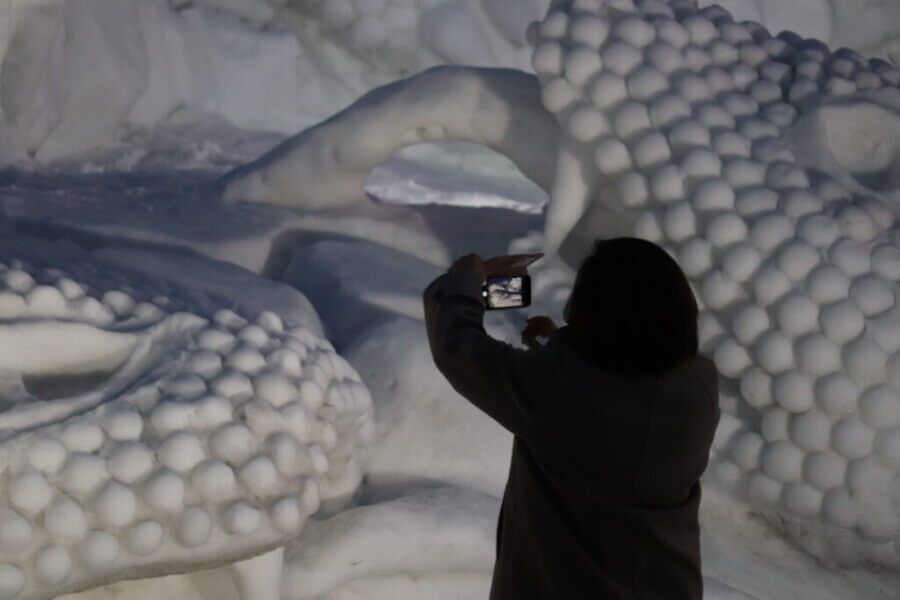
Tourist information center
Tokamachi Tourist Information
Address:251-17,Asahicho,Tokamachi City,Niigata,Japan 948-0079
TEL:+81-25-750-1277(9:00~17:00)
- wi-fi
- Souvenir
- Luggage storage
- Shipping
- English support
Matsudai Matsunoyama-Onsen Tourist Information
Address:3816-1 Matsudai, Tokamachi-City, Niigata, Japan 942-1526
TEL:+81-25-597-3442
- wi-fi
- Souvenir
- Luggage storage
- English support
Michi-no-Eki (Roadside Station) Cross10 Toka-Machi
Address:71-26, 6-1 Honcho,
Tokamachi City, Niigata,Japan 948-0003
TEL:+81-25-757-2323
- wi-fi
- Souvenir
- Luggage storage
- Shipping
- English support
Kiyotsukyo Tourist Information
Address:2130 koide-ki,Tokamachi-City,Niigata,Japan
TEL:+81-25-761-7261
- wi-fi
- Souvenir
- Luggage storage
- English support